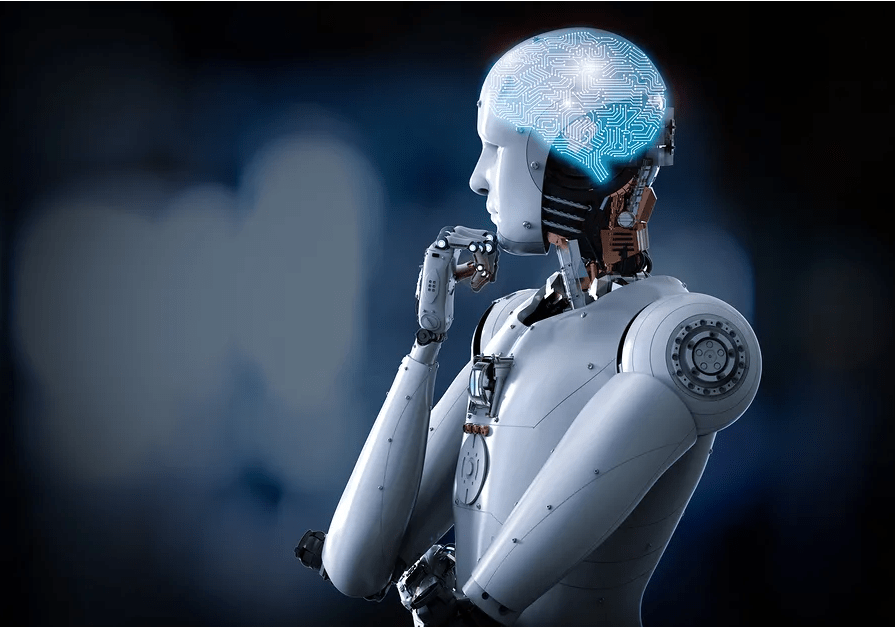
ARTIFICIAL INTELLIGENCE is correctly named, with the current emphasis on ARTIFICIAL. AI is an electromechanical attempt to mimic human intelligence, but at a MUCH HIGHER LEVEL!
We are currently at an entry level to practical applications of AI,
Despite its impressive feats, today’s AI remains narrow. It can perform specific tasks with incredible accuracy—like diagnosing cancer from medical scans or recommending movies you’re likely to enjoy—but it doesn’t understand these tasks the way a human does. This kind of AI is known as narrow AI or weak AI. It’s called “weak” not because it’s ineffective, but because it lacks general understanding. A deep learning model trained to identify skin cancer can outperform doctors in some cases, but ask it to explain its reasoning or understand the concept of illness, and it draws a blank.
“Weak AI” Is probably satisfactory for 75-80% of people interested in using AI for exercises in creativity, and fun. Weak AI is significantly more efficient – at least in time-costs – for medical personnel. But, the practice medicine is more than simply diagnosis and prescription. Honest, heartfelt and respectful empathy for the patient is also a prime ingredient in treatment. Inasmuch as cancer research began in 1851, and the disease is still killing hundreds of people every day, I hope that medical research AI, will find a true CURE for cancer.
The key that unlocked AI’s modern power was not better rules—it was learning. Instead of telling machines exactly what to do in every situation, researchers began teaching them how to learn from data. This shift gave rise to machine learning: a subset of AI where algorithms improve automatically through experience.
Rather than hard-coding knowledge, developers fed systems vast datasets. A machine learning algorithm sifts through this data, finds patterns, and builds models that generalize to new situations. Show it thousands of cat photos, and it learns to recognize cats—even ones it has never seen before.
Despite its impressive feats, today’s AI remains narrow. It can perform specific tasks with incredible accuracy—like diagnosing cancer from medical scans or recommending movies you’re likely to enjoy—but it doesn’t understand these tasks the way a human does.
Advances in medicine may well be the best application of AI.. But what – IMHO – would be the worst use? Government usage to control the masses of a nations population! “Power corrupts, absolute power corrupts absolutely”, is a well known adage that has gained credit through long use.. We are, or should be, aware of the subjugation of the masses by Socialist/Communist and other totalitarian forms of governance. AI may be a double-edged sword… both blessing and curse, depending on how it is applied.

YOUR THOUGHTS?
 UNAPOLOGETICALLY AMERICAN
Leave a comment